

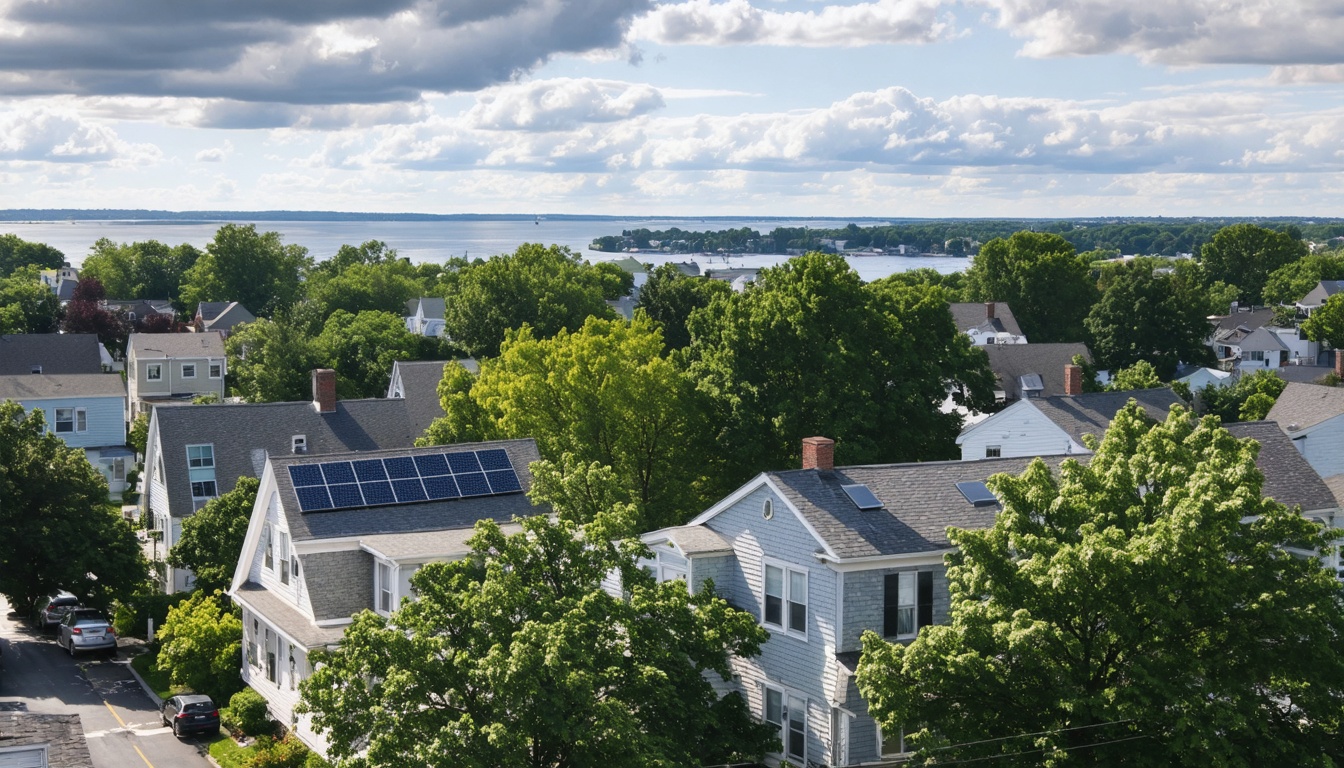
How Local Weather Shapes Solar Energy Decisions in Providence, Rhode Island
When evaluating the feasibility of solar energy in Providence, it is essential to consider the city's variable weather conditions. Seasonal changes can significantly influence the efficiency and output of solar panels, thereby affecting overall energy costs. During winter months, snowfall can cover panels, temporarily reducing their ability to generate electricity. However, solar panels can also benefit from reflective sunlight on snow, leading to some energy production even in cold conditions. In the spring and summer, increased sunlight can enhance energy generation, but cloud cover and rain can intermittently decrease efficiency. Historical weather data indicates that Providence experiences a moderate amount of sunny days, which can favor solar energy production. Nonetheless, it is important to analyze not only the potential for energy savings but also the reliability of solar systems in varying weather conditions. To make an informed decision regarding solar installation, considerations should include the durability of the solar technology to withstand local weather challenges and the potential for energy production during lower sunlight periods. It is advisable to conduct a thorough cost-benefit analysis that takes these factors into account, enabling a practical assessment of the investment in solar energy for your specific circumstances.
Seasonal Weather Patterns and Solar Potential
Seasonal variability plays a crucial role in determining the efficiency of solar energy production in Providence, Rhode Island. The city experiences approximately 200 sunny days each year, with summer months offering enhanced sunlight, which can lead to increased energy generation. This is particularly relevant for municipal buildings and initiatives like RePowerPVD, which aim to utilize solar power effectively during these peak sunlight periods. Those interested in Solar Panels in Providence can learn more about local options at Solar Panels in Providence.
In contrast, the fall and winter months typically experience reduced sunlight and increased precipitation, which can negatively impact solar energy output. During these times, it may be necessary for residents and businesses to explore available assistance programs or alternative energy resources to maintain energy efficiency and support solar initiatives.
The local Council and Sustainability Commission actively track the city's progress in renewable energy through the Sustainability Dashboard, providing valuable insights into the effectiveness of current programs and initiatives.
Residents seeking additional information or resources can utilize various Accessibility Tools designed to enhance navigation. Additionally, sharing updates and engaging with community efforts can be done through social media platforms such as Facebook, Twitter, and LinkedIn.
Impact of Extreme Weather Events on Solar Reliability
As Providence continues to advance its solar energy systems, the increasing frequency of extreme weather events poses notable challenges for their long-term reliability. Events such as heat waves, heavy precipitation, and flooding can negatively impact local solar generation, particularly for municipal buildings and community solar projects.
The rising incidence of extreme weather in Rhode Island underscores the importance of incorporating resilience and durable design principles into the city's solar initiatives, including RePowerPVD, to ensure their capability to withstand such conditions.
Tools for monitoring, such as the Sustainability Dashboard and the Sustainability Commission, are essential in evaluating the effects of extreme weather on solar energy systems. These tools can help track the performance and reliability of solar installations during adverse weather conditions.
For residents interested in exploring accessible energy solutions, various assistance programs and resources available through official channels can offer information on low-cost energy options. These resources are critical for improving community preparedness and maintaining access to the benefits of solar energy in the face of environmental challenges.
Climate Change Projections and Future Solar Performance
Climate change projections indicate that Rhode Island will face warmer temperatures and modified weather patterns in the coming years. For Providence, this changing climate presents both potential benefits and challenges for solar energy production. Increased cloud cover, higher humidity levels, and more frequent extreme precipitation events could reduce the efficiency of solar energy generation systems, while also increasing the need for maintenance in both residential and municipal solar installations.
Rising sea levels represent a significant threat to ground-mounted solar arrays, emphasizing the importance of careful site selection to ensure the longevity and operational viability of these systems.
While hotter summers may offer favorable conditions for solar energy production, the increasing risk of flooding in urban areas necessitates the implementation of measures aimed at enhancing resilience.
Providence's initiatives, such as RePowerPVD, the Sustainability Dashboard, community solar programs, and local job development, illustrate the city's approach to promoting reliable and sustainable energy solutions.
These efforts collectively form a strategy aimed at addressing the complexities posed by climate change while simultaneously expanding the city's renewable energy infrastructure.
Local Energy Generation Goals and Solar Integration
Providence has set specific targets for the integration of renewable energy, aiming for 30% local energy generation as part of its clean energy strategy. The City is focused on converting municipal buildings to solar energy and will implement a variety of initiatives, including RePowerPVD, community solar projects, and the Sustainability Dashboard.
These efforts are intended to promote the adoption of renewable energy offerings across the city, which could potentially lead to job creation and improve resilience to climate change impacts in Rhode Island.
For residents interested in transitioning to renewable energy, resources are accessible through various city departments. The City also utilizes social media platforms, including Facebook, Twitter, and LinkedIn, to provide information and assistance.
Those experiencing challenges in navigating available programs and resources can find support through designated links and accessibility tools provided by the City.
Equity Considerations in Solar Accessibility
Access to solar energy is gaining attention in local policy discussions, particularly regarding its impact on low-income households and communities of color. Various initiatives, including community solar projects and localized energy generation, are being implemented in Providence (PVD) to support these demographics.
One notable program, RePowerPVD, along with supplementary services such as home energy assessments, aims to enhance energy accessibility, reduce costs, and mitigate environmental consequences for these communities.
To support the transition to clean energy, the city tracks clean energy assets held by frontline organizations via the Sustainability Dashboard. This tool is intended to facilitate the adoption of renewable energy technologies.
It is important to incorporate municipal buildings, local employment opportunities, and equity considerations into these transitional efforts. For those seeking more information or assistance, resources such as AccessibilityTools Hide or Images Highlight are available to help navigate the existing options and services in the area.
Policy Initiatives Supporting Solar Expansion
In response to the challenges of climate change, Rhode Island has implemented several policies aimed at promoting the growth of solar energy in Providence. Notable initiatives include community solar projects, the RePowerPVD program, and incentives for solar generation at municipal buildings. These efforts are particularly focused on increasing access to solar resources for low-income and frontline communities, which aligns with a broader goal of equity in energy solutions.
Key legislative frameworks, such as the Resilient Rhode Island Act, support these initiatives by providing opportunities for local employment and assistance programs for residents. The structured approach demonstrated by these initiatives signifies an organized effort to enhance solar energy access and foster community involvement.
For stakeholders interested in evaluating Providence's commitment to energy sustainability, resources such as the Sustainability Dashboard, the City’s Code of Ordinances, and various tools available through the Menu can offer valuable insights.
These resources help illustrate the city's strategies for advancing energy standards applicable to both businesses and the larger community. Overall, the information provided reflects a methodical approach to support the adoption of solar energy within the region.
Energy Efficiency Measures Complementing Solar Adoption
The integration of energy efficiency measures is important for improving the effectiveness of solar installations in Providence. Prior to adopting solar technology, homeowners can take advantage of Free No Cost Home Energy Assessments, which identify potential areas for reducing energy consumption.
Local initiatives, such as RePowerPVD, focus on promoting the installation of air source heat pumps, which contribute to greater energy efficiency in the community and provide support for local infrastructure and employment initiatives.
In addition, it is crucial for Rhode Island utilities to establish standards aimed at reducing energy load. Such standards would enhance the performance of community solar systems.
Homeowners interested in improving their energy efficiency have access to the Sustainability Dashboard, which outlines various options available in this area. For further assistance, the City Menu offers links to resources provided within the community.
Data Resources and Tracking Progress
Evaluating the effectiveness of solar investments in Providence, given its climate variability, necessitates access to specific data for proper analysis. Local stakeholders employ various data tools to monitor energy consumption, assess the status of solar installations, and evaluate progress toward established clean energy objectives.
The Sustainability Dashboard is an essential resource that tracks energy consumption trends in municipal buildings, identifies RePowerPVD initiatives, and monitors community solar program participation.
In addition to the Dashboard, comprehensive data reports, the GHG Inventory Handbook, and documentation from the Sustainability Commission are available for public access. These resources facilitate transparency and allow low-income residents and recipients of Free Assistance to track developments in solar energy initiatives effectively.
For individuals experiencing challenges in navigating this information, assistance options are available through social media platforms such as Facebook, Twitter, or LinkedIn.
Additionally, a suite of helpful links is provided to facilitate access to relevant information pertaining to solar energy initiatives in the area.
Conclusion
When considering solar energy for your home in Providence, it is essential to evaluate local weather patterns and the seasonal variations that may impact solar panel efficiency. Rhode Island experiences a diverse climate, which includes cold winters and moderate summers, factors that can influence the overall performance of solar energy systems. Understanding the regional solar irradiance levels and how they fluctuate throughout the year can provide insight into the potential energy generation from solar installations. It is advisable to stay informed about available incentives, such as state and federal tax credits, grants, and renewable energy programs that support solar adoption. These financial considerations can significantly affect the cost-benefit analysis of installing solar panels. Additionally, monitoring performance trends regarding solar technology can guide homeowners in selecting the most suitable systems. Integrating solar energy with other energy-efficient measures—such as insulation, energy-efficient appliances, and smart home technologies—can enhance overall energy efficiency and reduce dependency on conventional energy sources. Supporting community initiatives related to renewable energy can also play a role in fostering a more sustainable energy landscape in Providence. Ultimately, staying informed and proactive regarding solar energy and its implications can contribute to creating a more sustainable energy future for the city and its residents, ensuring that solar power remains a viable option for homeowners in Providence.